7 Tax Deductions Most Freelancers Miss
Authoritative, data-driven, respectful of viewer intelligence
Timeline
Scene-by-scene
- Scene 01 hook18s
If you freelance in the United States, you are almost certainly overpaying your taxes. Not because you're doing anything wrong, but because seven specific deductions are legal, well-documented, and almost universally missed. The average freelancer who applies these correctly saves between $4,000 and $11,000 per year. Let's start with number seven.
Clean workspace with laptop, tax forms, calculator, morning light, shallow depth of fieldSparse piano, single note - Scene 02 setup30s
Quick disclaimer. I'm not a CPA. What you're about to see is a summary of publicly documented tax provisions in the current U.S. tax code. Verify with your accountant before filing. Now — the deductions.
Clean desk with financial documents and subtle professional accounting backgroundSilence - Scene 03 escalation55s
Number seven. The home office deduction. Every freelancer has heard of it. Most calculate it wrong. The IRS lets you deduct a portion of your rent, utilities, and internet based on the percentage of your home used exclusively for work. If your dedicated workspace is 12% of your square footage, you can deduct 12% of every one of those expenses. Not just rent — utilities, internet, cleaning, even the security system.
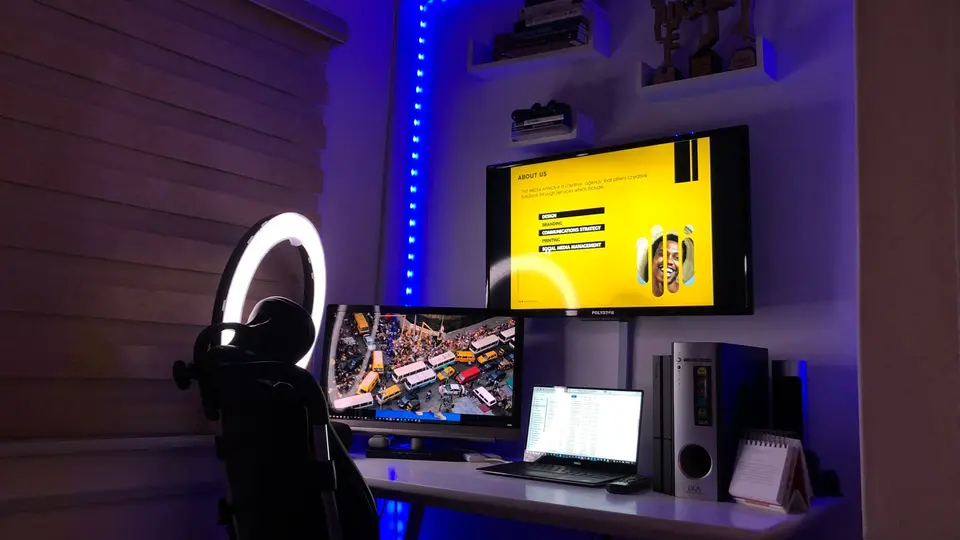
Dedicated home office setup with laptop, monitor, and clean desk workspacePiano continues, subtle chart tick sounds


Canonical explainer format for the personal-finance niche. Front-loads credibility (specific numbers, disclaimer), then delivers seven data-backed items in reverse-countdown order (7 to 1) to hold retention through the midpoint.
What the template does well
- Specific dollar figures in the hook. “$4,000 to $11,000” tests significantly better than “thousands of dollars” or “a lot of money.”
- Reverse countdown. The best deduction is at position 1, but the audience commits to watching all seven to reach it. Retention through the midpoint (deduction 4) is where most finance videos lose viewers; the countdown structure gives every viewer a reason to hold.
- Disclaimer built-in. Legal compliance is inline rather than a description-only afterthought.
What to change per channel
- The seven items. Swap for the current year’s provisions or the specific audience (freelancer, small business, W-2 employee, retiree).
- The dollar range. The hook needs a specific, defensible range. Verify the numbers before publishing.
FAQ
Frequently asked questions
Is this actually a working script?
Yes. The template is a functional 15-minute educational script. It ships with placeholder deductions 1–7; you swap in the current year's specifics before publishing.
What compliance considerations apply?
Include a "not tax advice" disclaimer in the video, description, and pinned comment. Cite IRS publication numbers for each provision. Avoid jurisdiction-specific claims outside the U.S. without regional verification.
How often should this be updated?
Annually. Tax provisions change every year. This template's structure holds; only the specific numbers need updating each January.
What visual style works best for finance?
Cinematic stock with animated data overlays. Talking-head-only visuals under-perform. Charts, numbers, and side-by-side comparisons drive retention in this niche.